PhD in Process Engineering Sciences — 2021
- Universidad Autónoma de San Luis Potosí (UASLP), Mexico
- National Center for Scientific Research (CNRS), Orléans, France
Researcher in process engineering applied to bioenergy
Specialized in modeling, numerical simulation, and optimization of biomass conversion processes.


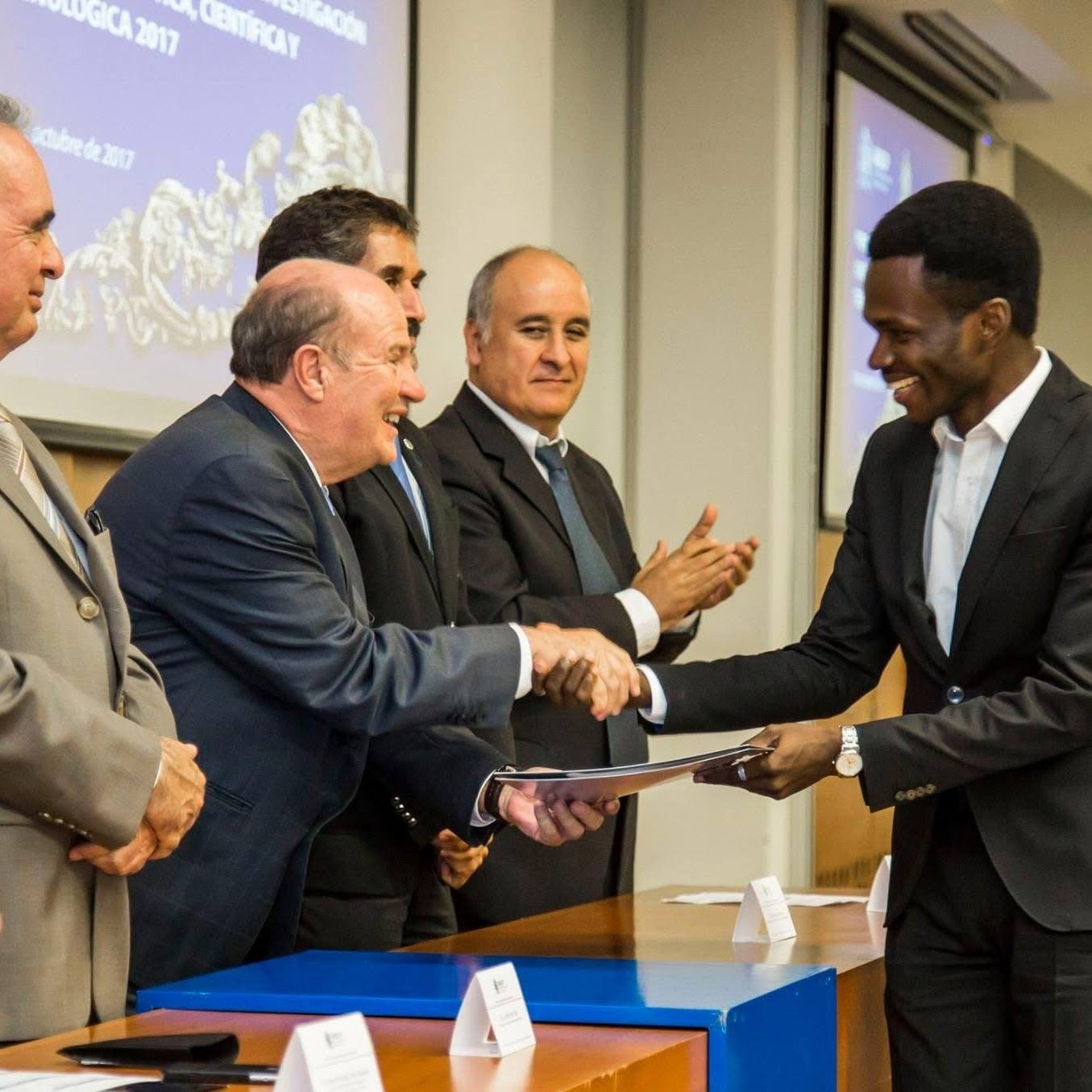
Diakaridia Sangaré, a doctoral student in Chemical Engineering Sciences at the Autonomous University of San Luis Potosí (UASLP), within the Faculty of Chemical Sciences, won first place in the Technology category of the university’s research-project competition with the project “Fuels obtained from biomass—Agave salmiana bagasse—as new energy sources for a sustainable future.” The recognition was awarded as part of the 2017 University Prize for Socio-Humanistic, Scientific and Technological Research.
Read the original articlePatricia CalvilloEl Sol de San LuisNovember 2, 2017

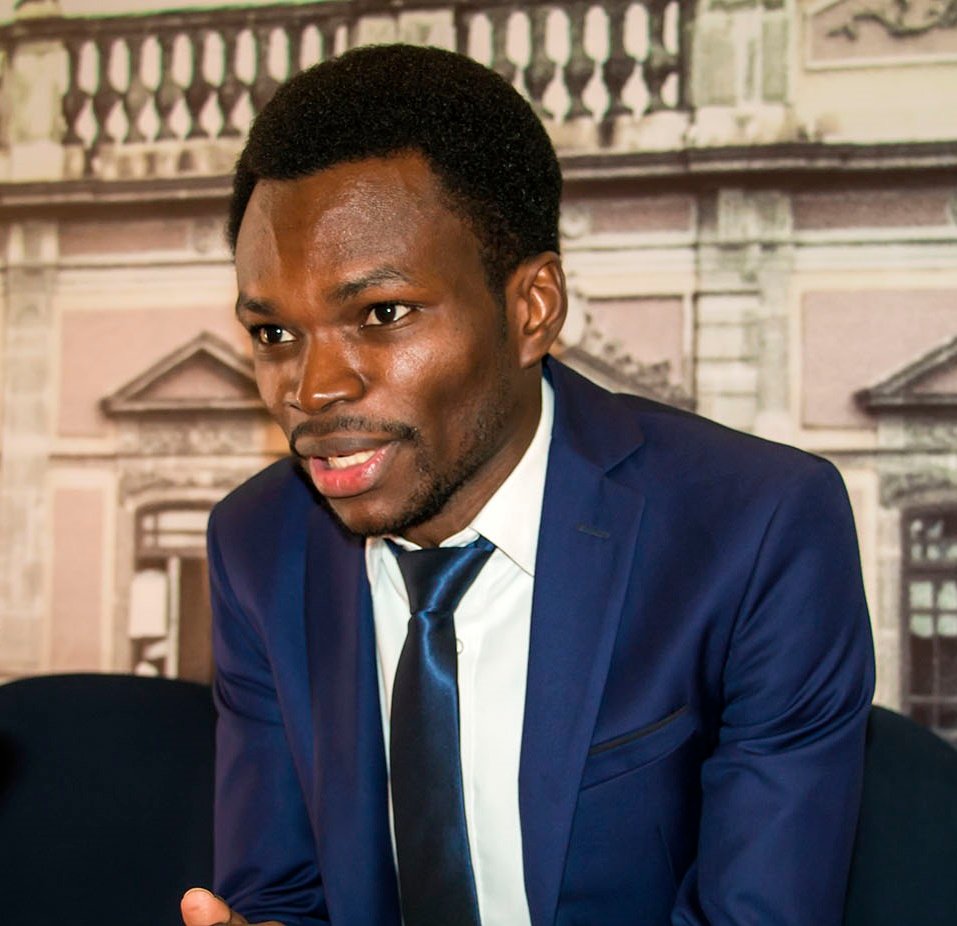
Diakaridia Sangaré, a postgraduate student in the Faculty of Chemical Sciences at the Autonomous University of San Luis Potosí (UASLP), received the University Prize for Socio-Humanistic, Scientific and Technological Research for a project focused on converting biomass into synthetic fuels. In the interview, the researcher from Mali explained that his work was being conducted through a collaboration between UASLP and the French National Center for Scientific Research (CNRS), with the objective of valorizing biomass as an alternative energy source for a sustainable future.
Read the original articleAmanecer HuastecoAmanecer HuastecoNovember 5, 2017


Experiments are designed according to the feedstocks, process, and target products. The first stage is biomass characterization, which establishes key properties and supports the selection of the most appropriate transformation route.
It includes elemental and proximate analyses, determination of heating value, and structural-composition analysis, particularly cellulose, hemicellulose, and lignin. These data support assessment of feedstock suitability for thermochemical conversion or extraction and help define the initial study conditions.
Hydrothermal carbonization is studied to produce hydrochar; pyrolysis to generate biochar, condensable fractions, and recoverable non-condensable gases; gasification to produce syngas or fuel gases; and combustion to generate heat and energy.
Solid–liquid extraction is used to recover and characterize bioactive compounds for pharmaceutical, cosmetic, and related applications. The methods include static maceration, Soxhlet extraction, continuous-flow extraction, and Soxtec; the resulting data are used to compare conditions and optimize the process.
For more information, see Infrastructure.
In our research, modeling and simulation are cross-cutting tools for representing and predicting the behavior of valorization processes. We use them at different transformation scales, from laboratory to pilot scale. The models are parameterized and validated using experimental data before being used to simulate and interpret phenomena, compare different reactor configurations, optimize operating conditions, and support decision-making. Some of the modeling approaches we use are presented below.
Intrinsic kinetic models are used to determine kinetic parameters, identify reaction mechanisms and pathways, and establish the steps or phenomena that control the process. They can be formulated as single- or multistep reaction schemes to describe the chemical transformations of biomass constituents.
Physical models include computational fluid dynamics (CFD) and coupled multiphysics models. They resolve hydrodynamics, turbulence, species and particle transport, heat and mass transfer, radiation, and chemical reactions in reactors.
In our research, we use thermodynamic models primarily to simulate steady-state processes. These models integrate the different unit operations of the process and combine material and energy balances with equations of state, phase-equilibrium relationships, and binary interaction parameters to represent mixture behavior and separation operations.
The workflow is organized in three stages: screening to identify influential factors; factor studies to quantify main effects and interactions; and response-surface methodology to build empirical models, locate optimal conditions, and validate them. Statistical analysis is used to assess significance, uncertainty, and goodness of fit.
In our research, we use machine-learning models to represent nonlinear relationships and generate predictions from experimental data, CFD simulation results, or hybrid datasets that combine both sources. The approaches employed include conventional artificial neural networks and physics-informed neural networks (PINNs). Unlike conventional neural models, PINNs incorporate constraints derived from physical laws during training. Once validated, these models can be used as surrogate models with low computational cost or integrated as components of digital twins.
A CFD model of a stirred hydrothermal-carbonization reactor was developed to study hydrodynamics, particle distribution, heat transfer and kinetics. The simulation established a reference stirring condition that was subsequently verified experimentally, while also examining multiphysics coupling within the reactor.

Simulations were performed at different stirring speeds to identify the condition at which the inertial and hydrodynamic action generated by the impeller blades overcomes the gravitational tendency of the particles to settle and ensures a homogeneous distribution in the liquid. The results established a stirring speed of about 550 rpm as the reference condition for the reactor.

Following the simulations, experiments were conducted at different stirring speeds to verify and validate the conditions predicted by the model. The results showed that a speed of about 550 rpm is required to achieve a homogeneous dispersion of particles in the reactor. Experimental observations confirmed the formation of a uniform mixture under the studied condition.
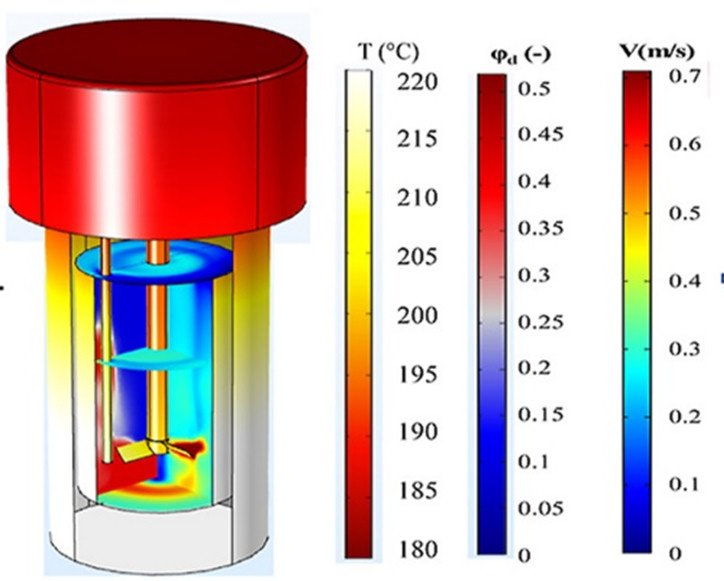
In this CFD simulation approach, different physical models were coupled to solve simultaneously the flow, particle transport and distribution, heat transfer, and hydrothermal carbonization kinetics. The figure combines the velocity, temperature, and solid- and liquid-phase volume-fraction fields, together with the evolution of biomass conversion.
Read moreIn this study, a pilot-scale reactor designed for thermal energy recovery, with a power range of 15–30 kW, was first characterized experimentally. A reactive CFD model was then developed to investigate the hydrodynamics and combustion of low-calorific-value pyrolysis gases. After validation against experimental data, the model was used to compare different reactor configurations and identify the conditions that promote combustion and reduce the residual CO concentration.
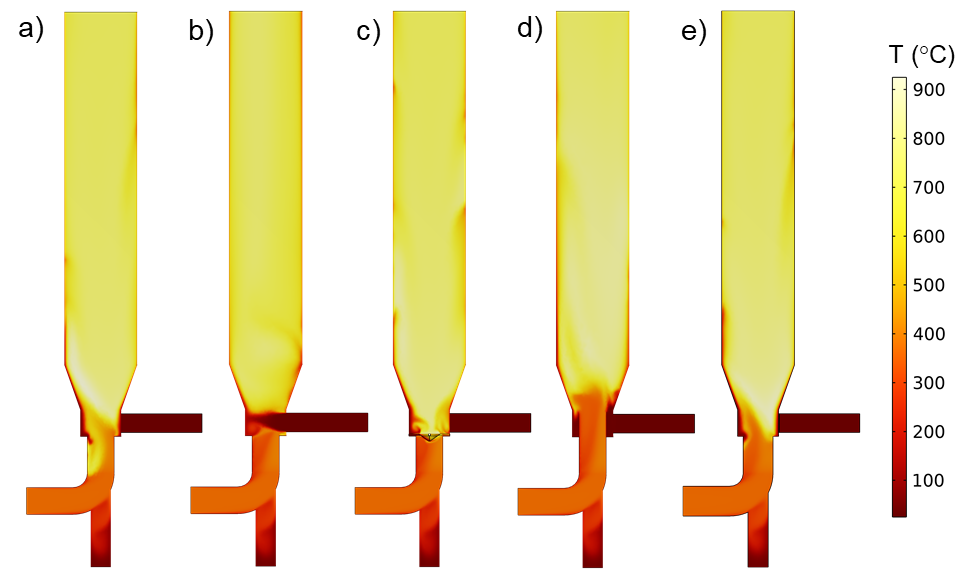
The simulated temperature field locates the main combustion zone and the regions of highest temperature within the reactor. Comparison of the configurations shows that reactor geometry, the pyrolysis-gas inlet position, and air distribution directly alter the location and extent of the hot zones.
Read more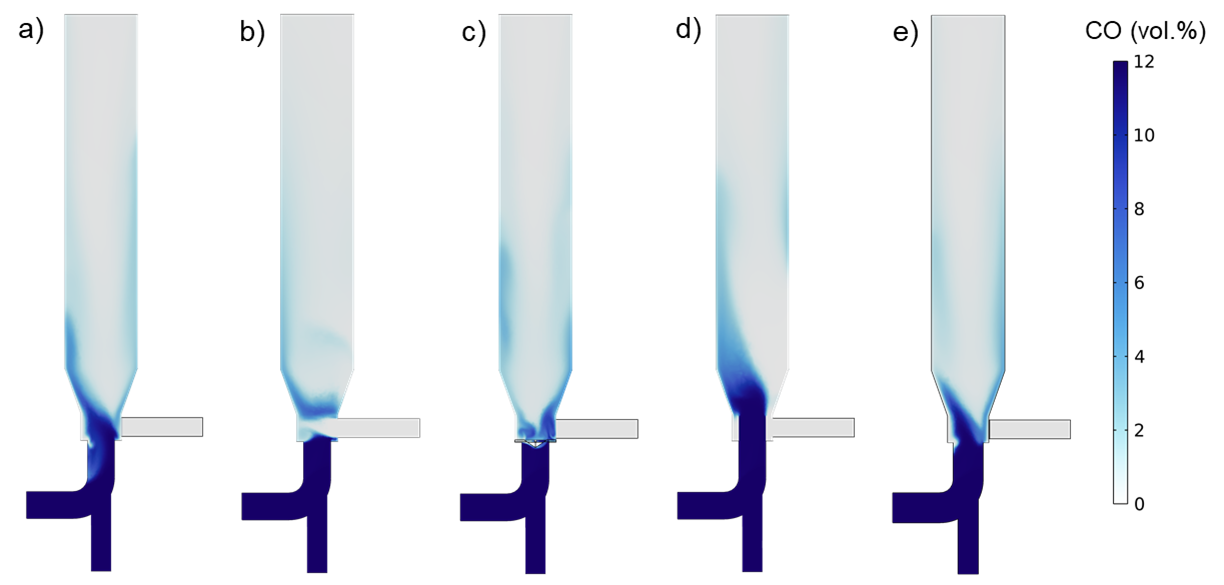
This CFD simulation result shows the spatial distribution of residual CO after oxidation. Comparing the different geometries reveals how the reactor configuration changes the location of regions where CO oxidation remains incomplete.
Read more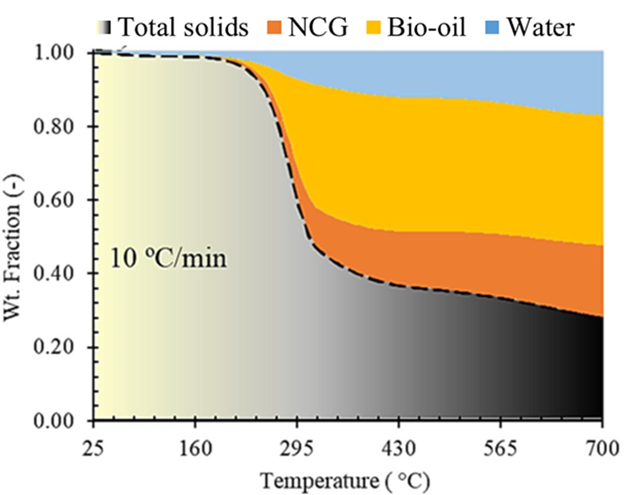
In this study, a multistep kinetic model was coupled with CFD simulation to represent the degradation of the lignocellulosic constituents of biomass and the formation of the main pyrolysis products: biochar, bio-oil, water, and non-condensable gases. At a heating rate of 10 °C/min, the figure shows biomass mass loss and the evolution of the different product fractions throughout the process.
Read more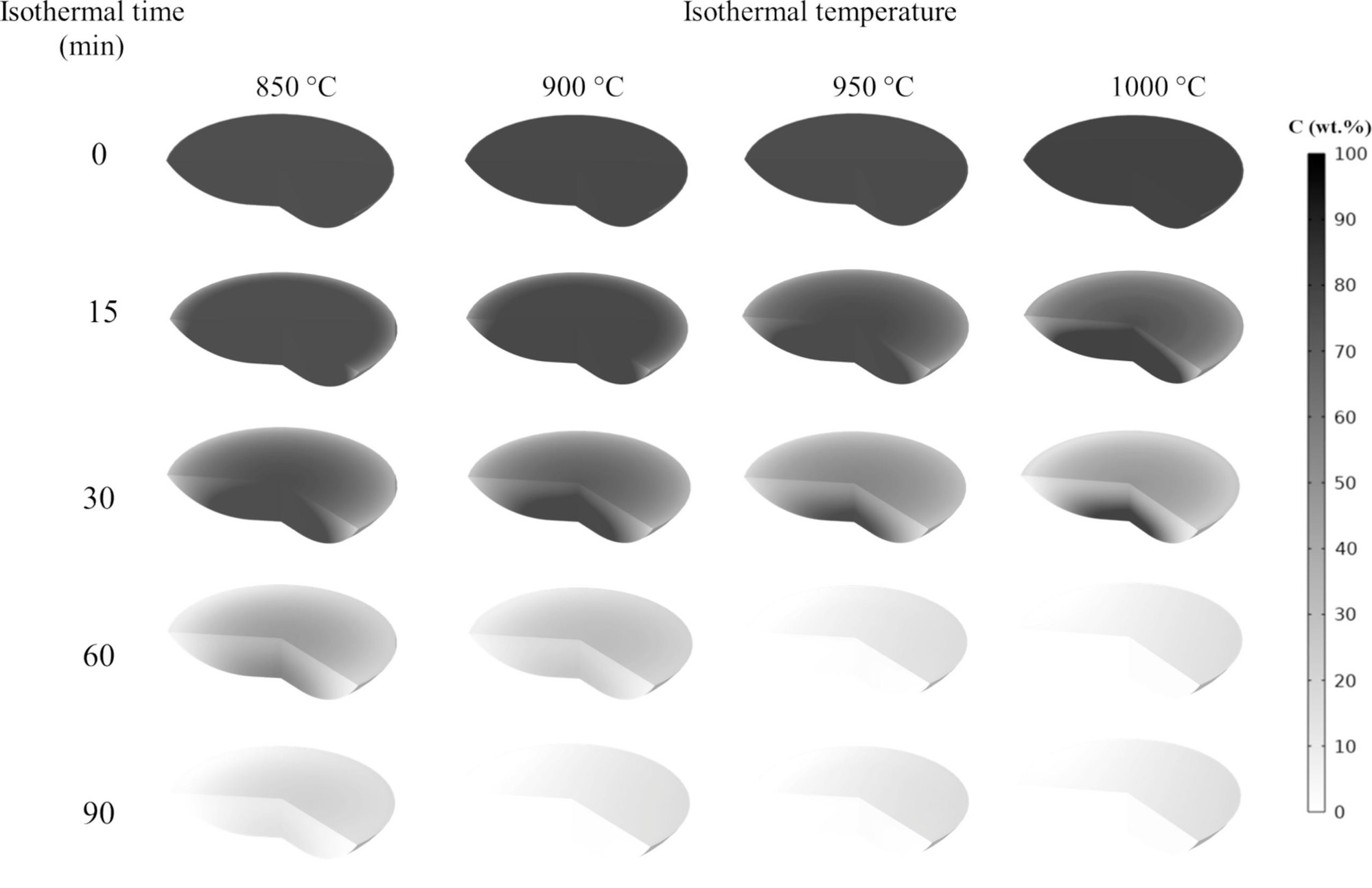
The figure presents the evolution of biochar reactivity through the progressive decrease in residual carbon at isothermal temperatures ranging from 850 to 1000 °C and treatment times of up to 90 minutes. Conversion increases with temperature and reaction time, thereby characterizing biochar kinetics and reactivity.
Read more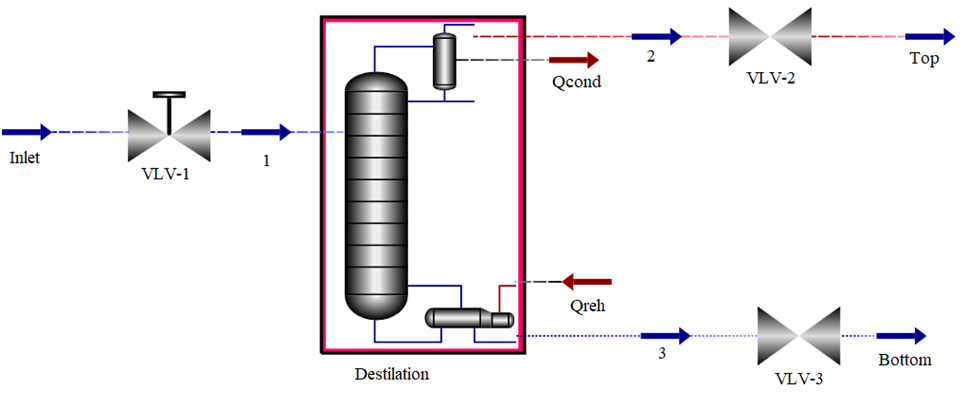
A dynamic simulation was performed for a stripping column used to purify DOP intended for medical applications. The model was used to analyze the hydraulic and dynamic behavior of the column, compare different operating conditions, and determine the time required to reach steady state. It also enabled the temporal evolution of the process to be studied during start-up and stabilization.
Read more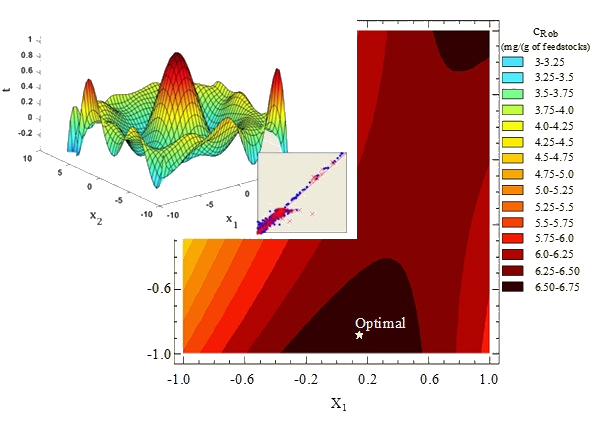
An initial kinetic study was conducted to estimate the kinetic parameters and diffusion coefficient associated with the extraction of dihydrorobinetin and robinetin from Robinia wood. These parameters were subsequently incorporated into a CFD model of a pilot-scale reactor, which was validated against experimental data. The study combined static maceration, continuous-flow extraction, and design of experiments to optimize the operating conditions and maximize the recovery of both bioactive compounds of interest for cosmetic applications.
Read moreThis network represents my current scientific and institutional collaborations. Each link corresponds to a working relationship established through co-authorship, joint projects, thesis co-supervision or cotutelle arrangements, student training and supervision, academic mobility, exchange of data and methodologies, or complementary use of experimental and numerical infrastructure. These interactions are coordinated from my research unit, CIRAD–UPR BioWooEB, in collaboration with universities, research centers, and other scientific units in different countries. The relational view identifies direct links among researchers, teams, and institutions, while the geographic view shows the international distribution of these collaborations and their reach by country.
Development of joint research projects and preparation of national or international proposals.
Participation in research networks, consortia, and other scientific initiatives.
Co-supervision of doctoral dissertations and master’s theses, student training, internship supervision, and mobility for students, researchers, or academic staff.
Exchange of knowledge, methods, and data, and complementary access to infrastructure.
Joint preparation of research articles, books, book chapters, and contributions to conferences, seminars, or scientific meetings.
CFD analysis of multiphase mixing and process intensification of microwave-assisted extraction of astaxanthin from microalgae Haematococcus
Mechanistic insights into microwave-assisted ethyl acetate extraction of natural astaxanthin from Paracoccus sp. for functional products and cost estimation
Quantification of cashew nut shell pyrolysis products and the effect of extractives on the product distribution
Rice Husk Biochar for Tar Cracking: Critical Role of Minerals and Textural Properties
Influence of ethanol on ultrasound-assisted extraction of bioactive compounds from cocoa pod husk and their antioxidant, antihypertensive, and antihyperglycemic activity
Understanding the thermal degradation mechanisms of Cashew nut shell liquid constituents: Anacardic acids, cardanols and cardols (ACC)
Mathematical modeling of multi-step kinetics of biomass pyrolysis applied to agave bagasse and char oxidation reactivity
Thermal degradation and reactivity of cashew nut shell liquid constituents
Comparative analysis of CFD modeling and process Simulation for pyro-gasification of biomass
Novel strategies for valorizing red araça pomace: Cyanidin-rich extracts recovery and sustainable bioenergy production
CFD insights into microwave-assisted deep eutectic solvent for the recovery of astaxanthin from bacteria Paracoccus carotinifaciens: From extraction to agricultural applications
Thermal decomposition of spent lithium-ion batteries pouch: Investigating kinetic and thermodynamic compensation effects
Lignocellulosic-based hydrochars: Synthesis, characterization and application in water decontamination
Hydrochar of Prunus persica: Green promoter of radical species to degrade methylene blue with visible irradiation
Hydrothermal carbonization of cocoa shell: Hydrochar characterization, kinetic triplets, and thermodynamic aspects of the process
Pyro-gasification of lignocellulosic biomass: Online quantification of gas evolution with temperature, effects of heating rate, and stoichiometric ratio
Multi-step kinetic mechanism coupled with CFD modeling of slow pyrolysis of biomass at different heating rates
Numerical modeling and evaluation of solid-liquid extraction with pressurized hot water extraction applied to Robinia Pseudoacacia wood
Eco-sustainable biorefinery to the management of winery waste by integrating sequential ready-to-use pigments and bioenergy through advanced multi-step kinetic slow pyrolysis
Hydrothermal carbonization of biomass: experimental study, energy balance, process simulation, design, and techno-economic analysis
Computational Fluid Dynamics (CFD) modeling of static maceration in view to optimize continuous flow extractions of robinetin and dihydrorobinetin from Robinia pseudoacacia wood
Pyrolysis kinetics of Byrsonima crassifolia stone as agro-industrial waste through isoconversional models
Comparative pyrolysis studies of lignocellulosic biomasses: Online gas quantification, kinetics triplets, and thermodynamic parameters of the process
Kinetic studies of hydrothermal carbonization of avocado stone and analysis of the polycyclic aromatic hydrocarbon contents in the hydrochars produced
Quantification and kinetic study of the main compounds in biocrude produced by hydrothermal carbonization of lignocellulosic biomass
Hydrodynamics, heat transfer and kinetics reaction of CFD modeling of a batch stirred reactor under hydrothermal carbonization conditions
Modeling of Agave Salmiana bagasse conversion by hydrothermal carbonization (HTC) for solid fuel combustion using surface response methodology
Thermogravimetric analysis and kinetic modeling of Nanche stone BSC pyrolysis: A potential agro-industrial waste for bioenergy production
Innovative processes for natural active ingredients extraction and their online functionalization using flow chemistry
Online eco-friendly processes: from biomass to enhanced natural ingredients
Pyrolysis Kinetics of Hydrochars derived from Agricultural residues using Thermogravimetric Analysis
Optimization of agave salmiana bagasse conversion by hydrothermal carbonization (HTC)
Optimization of agave salmiana bagasse conversion by hydrothermal carbonization (HTC)
Synthetic fuels obtained from biomass (agave salmiana bagasse) as new energy sources for a sustainable future
Hydrothermal carbonization for biomass energy densification
Production of synthetic fuels from biomass (agave salmiana bagasse)
Thermal characterization and kinetic studies of pyrolysis and gasification of Agave Salmiana bagasse
Experimental and simulation study of the hydrothermal carbonization of biomasses for the production of synthetic fuels
Producción de combustibles sintéticos a partir de biomasa (bagazo de Agave salmiana)
Obtención de biogás con fines energéticos a partir de la metanogénesis de mezclas de residuo orgánico y excretas animales
Ongoing projects combine experimental work and computational simulation in bioenergy, agro-industrial residue valorization, biochar production, and predictive-model development.
Period2020–2026
StatusOngoing
My roleOptimization of the design of an oxidative pyrolysis reactor and a pyrolysis-gas burner by means of CFD modeling.
FocusDecentralized bioenergy for small and medium-sized enterprises in West Africa.
Countries of applicationBurkina Faso and Senegal
Countries of disseminationMali, Côte d’Ivoire and Niger
WebsiteView site
Period2025–2028
StatusOngoing
FocusValorization of local agricultural residues to contribute to the development of more resilient viticulture.
Participating countriesFrance, Spain and Portugal.
My roleDevelopment of kinetic models coupled with CFD to predict the yield and properties of pyrolysis products, with particular attention to biochar properties, including specific surface area and porous structure.
Period2020–2023
StatusCompleted
My roleResponsible for the implementation of a continuous-flow reactor and the optimization of operating conditions for continuous-flow extractions, coupling CFD modeling and design of experiments.
FocusEco-responsible processes for obtaining cosmetic ingredients.
WebsiteView site
Period2018–2020
StatusCompleted
My roleProcess simulations to determine the optimal stabilization conditions of the stripping column and support for the start-up of a continuous process.
FocusProcess optimization for plasticizer purification.
Period2012–2015
ContextVLIR-UOS project program in scientific research.
StatusCompleted
My roleDesign and development of laboratory-scale mini-reactors and digesters to obtain preliminary data for scale-up toward industrial applications.
FocusEnergy, biofuels and clean technologies for sustainable development.
Mohammed Nafiu Adamu
Production and valorization of biomass-derived biochar: catalytic cracking of tars and soil amendment.
Maximiliano Ruiz Alba
Application of machine learning to the simulation of hydrothermal carbonization of lignocellulosic biomass.
Luis Arturo Arroyo Ibarra
Numerical simulation of hydrothermal carbonization of lignocellulosic biomass.
Xiaohui Ji
Numerical simulation of the combustion of pyrolysis gases: optimization of energy performance and emissions.
Ikram Laribi
Development and optimization of a protocol for the selective isolation of the main compounds of lignocellulosic biomass.
Mathis Lourenco
Modeling of the air-flow distribution in a natural-rubber pilot dryer.
Muhammad Hafiq Zaiful Razuan
Solid–liquid extraction applied to Robinia pseudoacacia.
Isabela Ferreira Moreno
Analysis and quantification of the main compounds present in the liquids from hydrothermal carbonization of biomass.
Xavier Gosse
Valorization of organic residues and plastic waste through gasification.
Andrea Cárdenas Sánchez
Optimization of a desorption column for DOP purification.
In our laboratory (UPR BioWooEB), we have experimental equipment and modeling capabilities at different scales, from laboratory to pilot scale. These resources support research from feedstock preparation and physicochemical characterization to conversion processes and final-product analysis. For more information, consult .
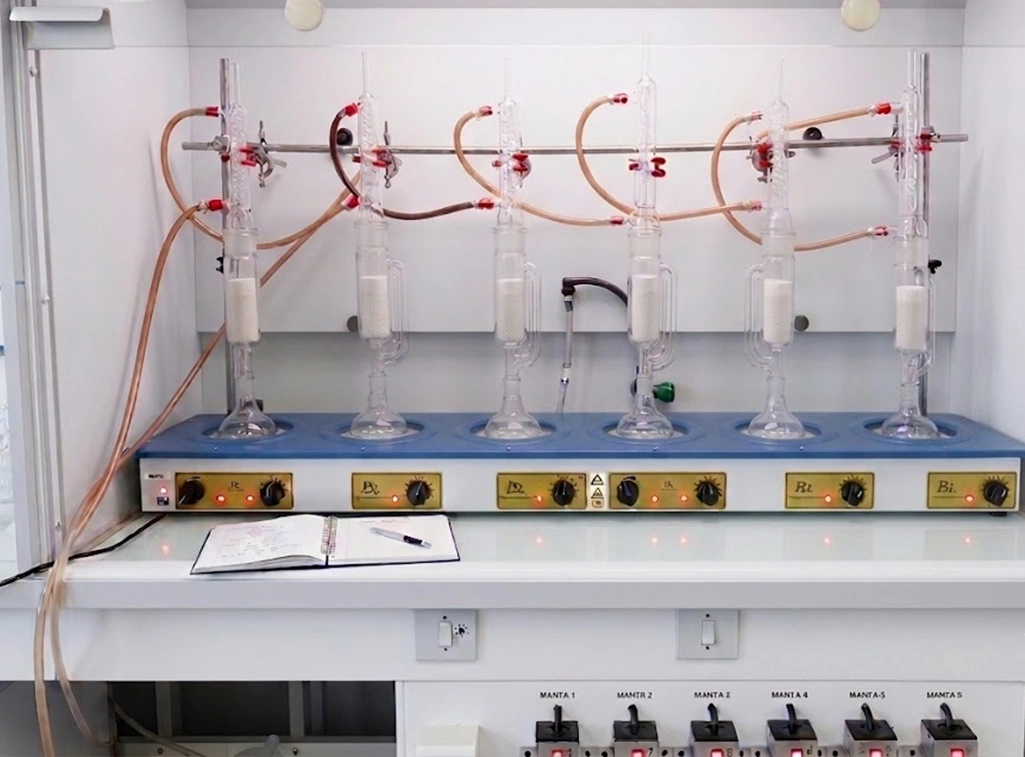
One of the available solid–liquid extraction systems is a Soxhlet unit. It extracts bioactive compounds and other extractable fractions from biomass and plant residues, depending on the solvent and operating conditions, and prepares the extracts for subsequent chromatographic characterization.
Principal analytical capabilities
Research applications
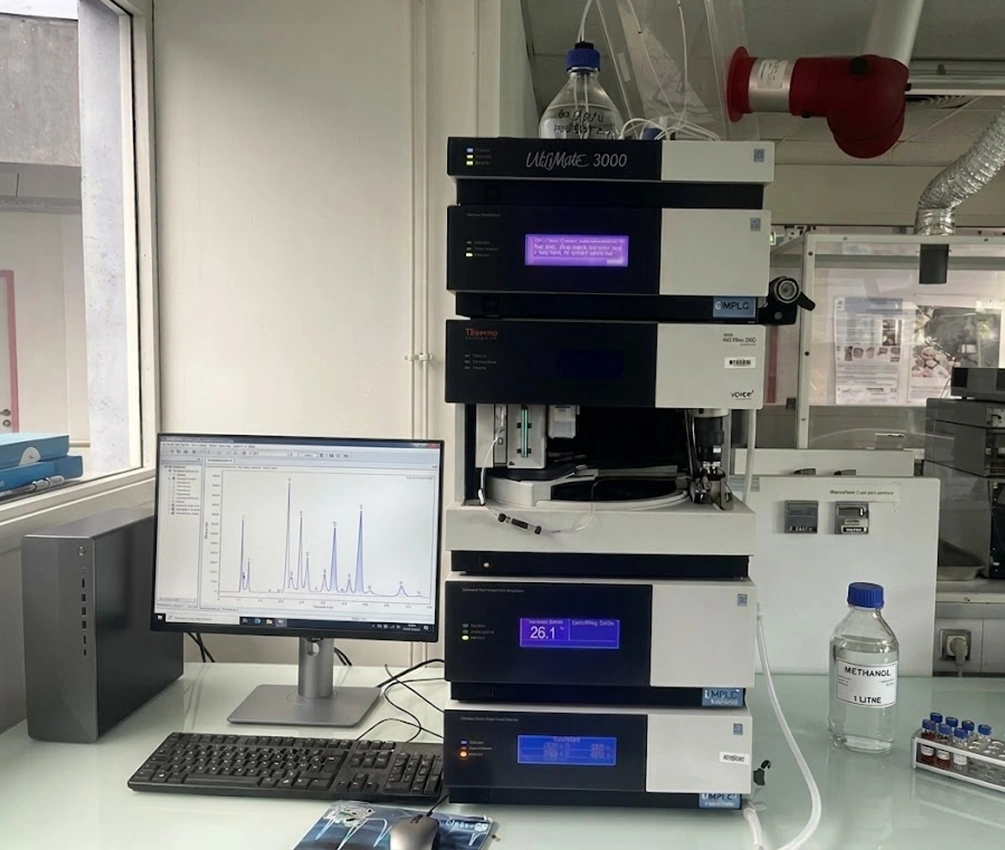
Our Thermo Scientific Dionex UltiMate 3000 HPLC system separates and quantifies nonvolatile or thermally sensitive compounds in biomass extracts, depending on the column, detector, and calibration method used.
Principal analytical capabilities
Research applications
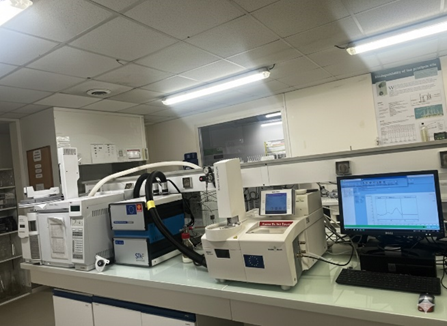
The Micro-TGA/DSC analyzer works with milligram-scale samples at atmospheric pressure. It simultaneously records mass variation and thermal effects under controlled temperature programs and atmospheres.
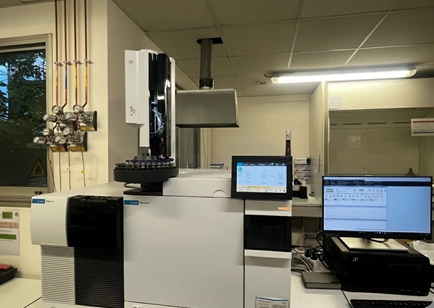
Our GC–MS/MS system identifies organic compounds and provides targeted quantification of more than 85 compounds, using an internal-calibration method, in the condensable liquid fraction from biomass pyrolysis. The analyzed families include phenolic compounds and methoxyphenols, sugar derivatives, alcohols, furans, aldehydes, ketones, carboxylic acids, hydrocarbons, PAHs, and other oxygenated compounds.
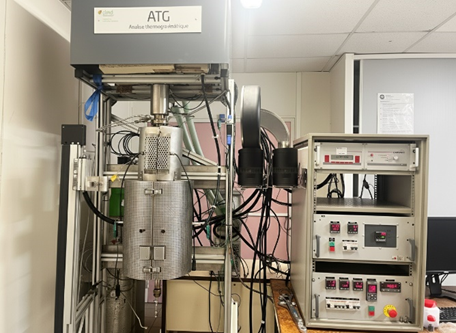
The Macro-TGA works with gram-scale samples at pressures of up to 50 bar. It can be coupled to a micro-GC to quantify non-condensable gases and recover the liquid fraction for subsequent analysis.
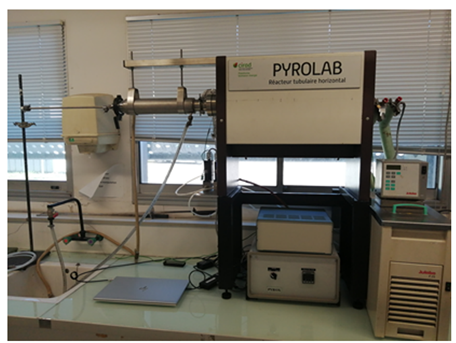
PyroLab is a horizontal tubular reactor for biomass-pyrolysis experiments up to approximately 800 °C under controlled temperature and atmosphere. A fresh sample can be introduced once the reactor reaches the target temperature, after which biochar, gases, and condensates are recovered separately.
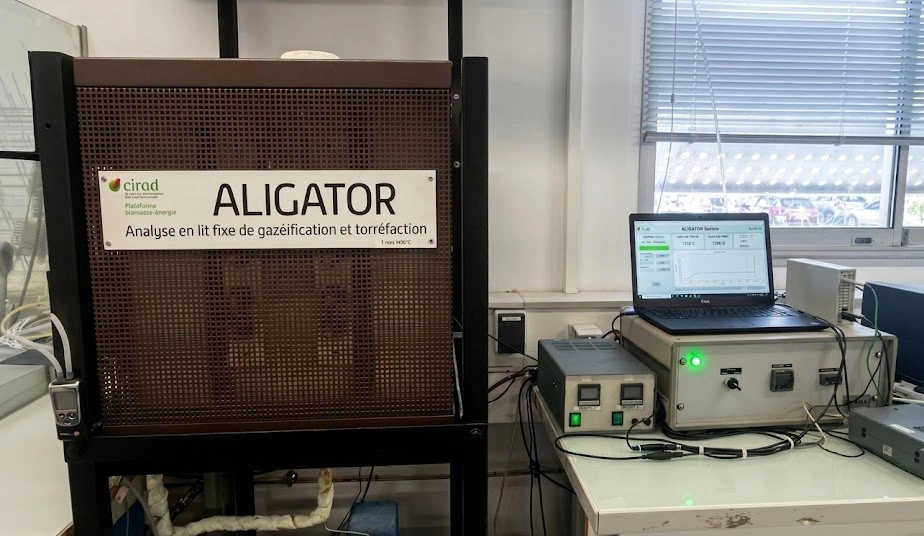
ALIGATOR is a two-in-one fixed-bed reactor with two independently controlled thermal zones. The first can be used for biomass torrefaction, pyrolysis, or gasification, while the second is used for thermal or catalytic cracking of pyrolysis gases and vapors. The system can be coupled to a micro-GC for online gas analysis.
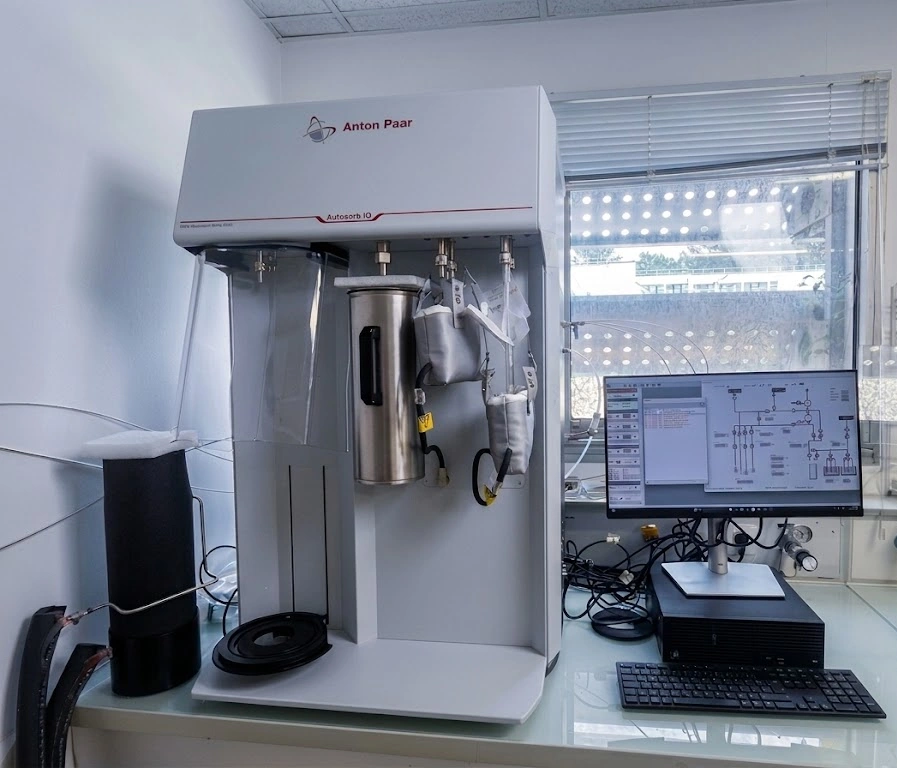
The BET analyzer characterizes the specific surface area and pore structure of solid materials by gas physisorption. It provides BET surface area, total pore volume, and pore-size distribution.
The 600 m² Energy Platform houses R&D pilot systems for biomass pyrolysis, torrefaction, combustion, and gasification. Tests are conducted at scales from 10 to 100 kWh to study process behavior before industrial transfer.
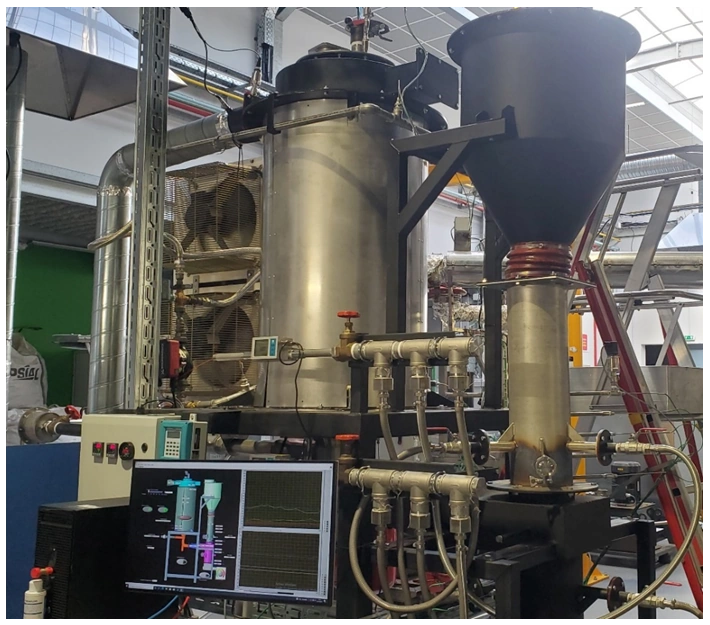
This continuous pilot-scale autothermal oxidative-pyrolysis reactor is designed to recover thermal energy from biomass. Biomass enters at the top and descends by gravity. Air 1 partially oxidizes the condensable vapors and supplies the energy required to maintain the pyrolysis zone under autothermal conditions. Air 2 promotes partial oxidation of char in the lower zone, facilitates biomass descent, and contributes additional heat. The pyrolysis gases then pass to a combustion chamber supplied with additional air. The released energy is recovered through a shell-and-tube heat exchanger for different thermal applications, particularly in small and medium-sized enterprises. Learn more.
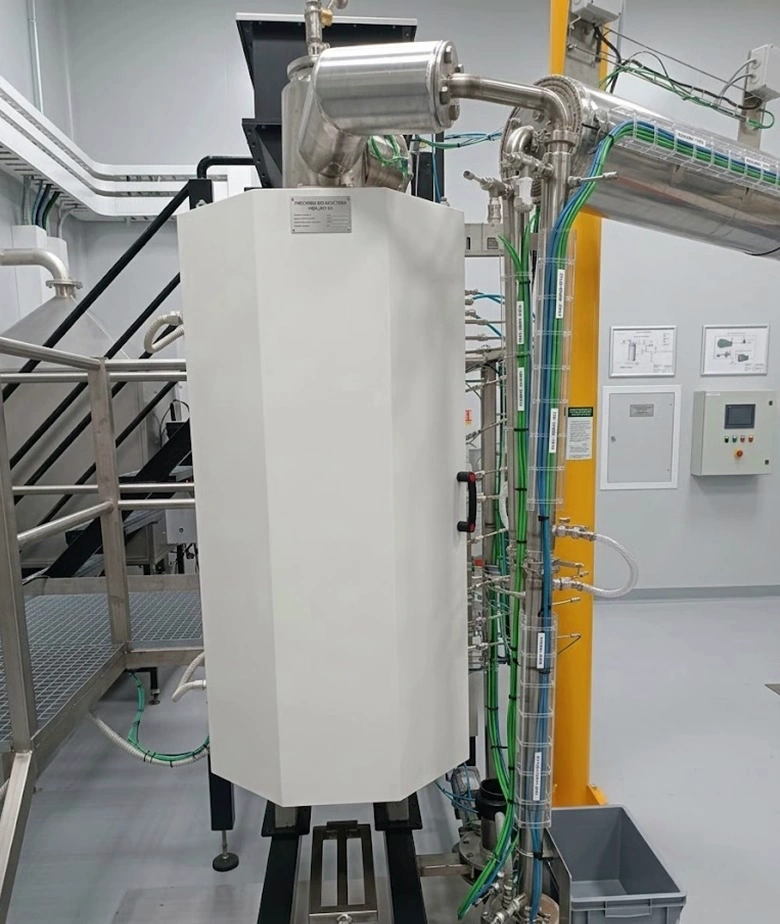
CarboLift is a pilot-scale fixed-bed reactor for biomass carbonization and pyrolysis under a controlled atmosphere. It operates in batch or continuous mode at temperatures of up to approximately 1,000 °C, with an adjustable heating rate. In batch mode it produces biochar by lot; in continuous mode, production can reach approximately 1 kg·h⁻¹, depending on biomass density and operating conditions.
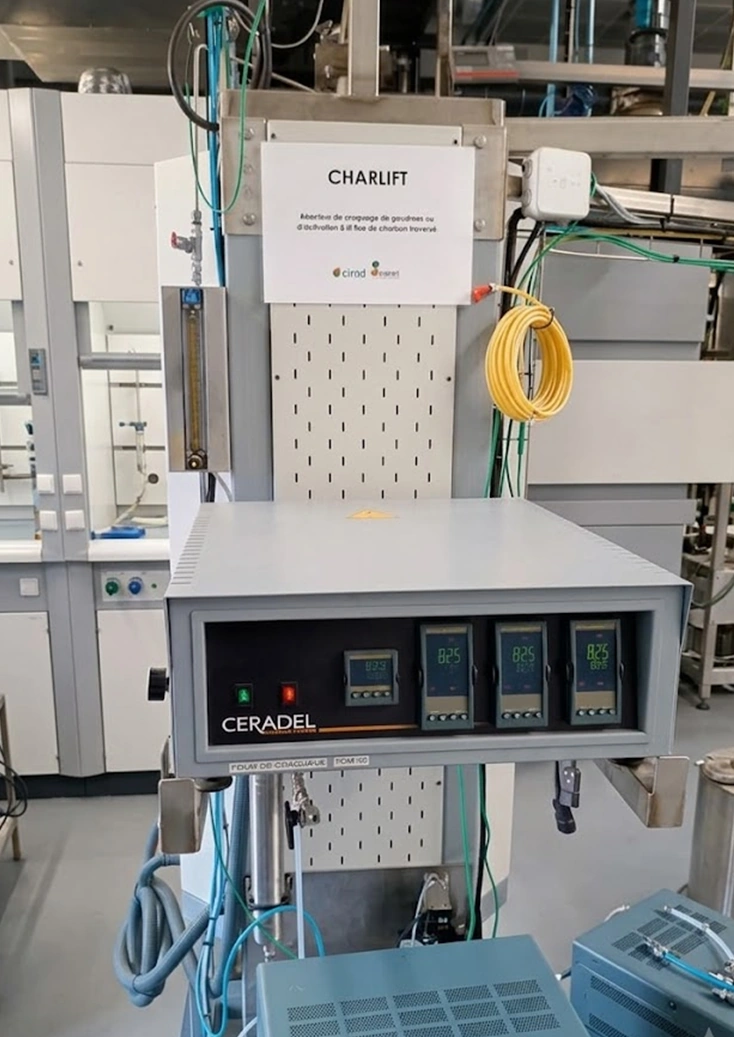
CharLift is a pilot-scale fixed-bed reactor operating in batch mode at temperatures of up to approximately 1,000 °C under a controlled atmosphere. It can use N₂ as an inert gas and steam or CO₂ as activation agents. These conditions produce biochars with different activation levels and allow controlled development of micro-, meso-, and macroporosity.
This workstation supports computational simulation, parallel processing, and machine-learning workflows that require substantial memory and a professional GPU.

The workstation supports advanced computational workflows in Computational Fluid Dynamics (CFD), multiphysics and multiscale simulation, chemical kinetics, and process modeling. These approaches enable the analysis of fluid flow, heat transfer, mass transfer, transport phenomena, coupled physical processes, reaction mechanisms, and interactions occurring across different spatial and temporal scales.
Its multi-core architecture and large memory capacity support complex numerical models, parallel calculations, parameter estimation, and the processing of large scientific datasets. The platform is also used for Design of Experiments (DoE), Response Surface Methodology (RSM), scientific programming in Python and MATLAB, and machine-learning workflows for predictive modeling, surrogate models, data analysis, and process optimization.